The Ultimate Valentine’s Day Guide — History, Science, Strains, and Practical Tips
The relationship between cannabis and sexuality is one of the oldest and, at the same time, least studied chapters in the history of the plant. For thousands of years, people across different continents have used Cannabis sativa to enhance sensory experience, deepen emotional intimacy, and treat sexual disorders. Today, as cannabis legalization spreads to more and more countries and science begins to uncover the mechanisms of cannabinoid interaction with the human endocannabinoid system, this topic is experiencing a true renaissance.
For Valentine’s Day, we’ve prepared the most comprehensive guide on the subject of “cannabis and sex” — from ancient tantric rituals and Egyptian papyri to modern CBD lubricants and scientific research. You’ll learn which biochemical processes underlie the ability of cannabis to enhance pleasure, which strains breeders and experts recommend, and how to safely integrate the plant into your intimate life.
History: Cannabis as an Aphrodisiac Through the Ages

Ancient Egypt: Honey, Cannabis, and “Cooling the Uterus”
Some of the earliest evidence of cannabis use in the context of sexual and reproductive health comes from ancient Egyptian sources. The Ebers Papyrus, dated to approximately 1550 BCE, describes the application of cannabis mixed with honey for “cooling the uterus and removing its heat.” The mixture was applied vaginally and used to relieve menstrual pain and discomfort during childbirth. At the same time, the Egyptians noted the stimulating properties of such mixtures, suggesting that cannabis was one of the first documented aphrodisiacs in human history.
Ancient India: Bhang, Tantra, and the Goddess Kali
Cannabis has occupied a central place in Hindu culture since the 4th century BCE. In India, the plant was traditionally regarded as a powerful aphrodisiac and was actively used in tantric sexual practices associated with the goddess Kali, beginning around 700 CE.
The ritual drink bhang — a mixture of cannabis with milk, sugar, pepper, almonds, cardamom, poppy seeds, and other spices — was consumed 90 minutes before the intimate act. Practitioners would chant the mantra “Om Hrim,” invoking the image of the goddess Kali, to whom the act of love was dedicated, and petitioned for occult power (siddhi). After a series of mantras, participants would drink the beverage and proceed with the ritual act of love. The goal of the practice was not so much physical pleasure as the attainment of absolute unity with one’s partner and the universe.
China and Africa: Cannabis in Folk Medicine
The use of cannabis as a sexual stimulant was also documented in Chinese medical texts, where the plant was prescribed to support male health and boost libido. In African cultures — Uganda, Egypt, Morocco, Lebanon — cannabis was cultivated for centuries to maintain male sexual function. Despite its technical illegality, in a number of African countries the plant continues to be used for these purposes.
Scandinavia: Freyja and the Hemp Fields
Around 880 CE, during the Viking Age, the Norse goddess of love and fertility Freyja was considered the patron of hemp fields. According to the Encyclopedia of Aphrodisiacs (2013), hemp fields served as venues for pagan and erotic rituals timed to sowing and harvest. Although no direct evidence of psychoactive cannabis use in this context has survived, the connection between hemp, sexuality, and fertility was an integral part of Nordic culture.
Medieval Europe: “Witch Ointments” and the Inquisition
In the Middle Ages, cannabis found itself at the center of a dark chapter in European history. Hemp seed oil was a key ingredient of the so-called “flying ointment” — a concoction that, according to the Inquisition, was used by witches for “flying on broomsticks.” Modern researchers believe these ointments were quite real: they were applied intravaginally using sticks (precursors of “broomsticks”) for pleasure and pain relief. Cannabis was also part of mixtures reportedly used at “sabbaths” as an aphrodisiac. Persecution by the Inquisition drove the use of cannabis for sexual and medical purposes underground for centuries.
The 19th Century and America: Dr. Hollick and Uzbekistani Bridal Cannabis
In 1851, American “doctor” Frederick Hollick published his Marriage Guide — essentially a sex manual for newlyweds, in which he promoted his own patented hashish-based aphrodisiac. Although Hollick was later exposed as a charlatan, he managed to make a fortune from more than 200 reprints of the book.
Meanwhile, in Uzbekistan, despite the Soviet ban on cannabis, a centuries-old recipe for brides continued to be used well into the 1930s. Polish anthropologist Sula Benet documented that in Tashkent, cannabis (nasha) was mixed with mutton fat and applied vaginally to ease the pain of defloration and as an aphrodisiac.
The Hippie Era and the Revival of Interest
The 1960s–70s were marked by the sexual revolution and the parallel popularization of cannabis in Western culture. The hippie movement openly combined “free love” with marijuana use. In 1967, sociologist Erich Goode conducted a study in which 68% of respondents reported increased sexual desire after consuming cannabis, with women noting this effect more frequently than men.
Science: How Cannabis Affects Sex at the Biochemical Level
The Endocannabinoid System and Sexual Function
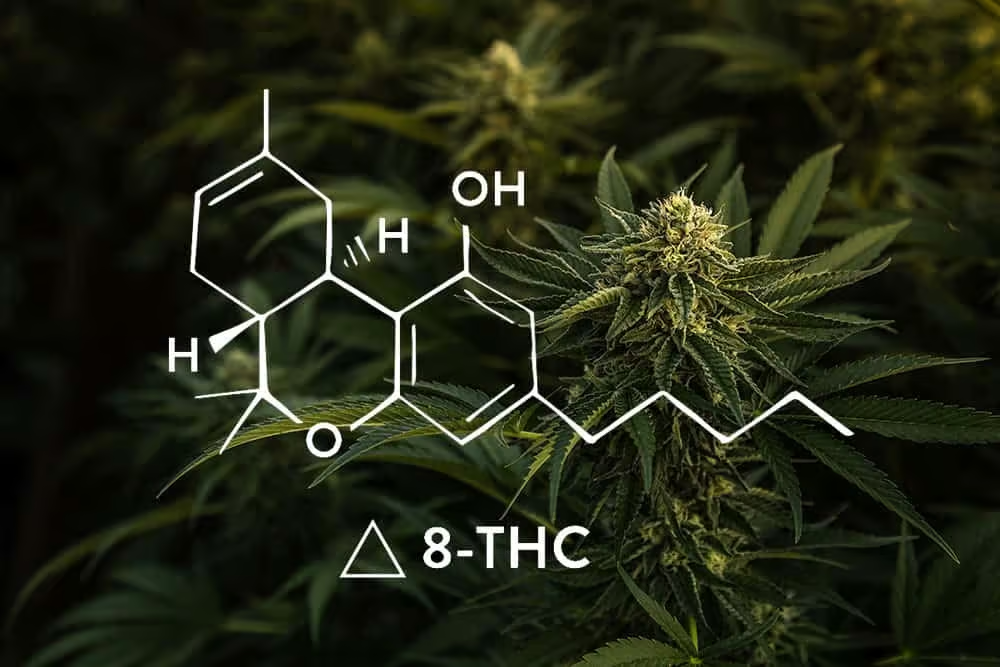
The key to understanding the link between cannabis and sex lies in the endocannabinoid system (ECS) — a complex neuromodulatory network discovered in the 1990s. The ECS consists of three main components: cannabinoid receptors (CB1 and CB2), endogenous ligands — anandamide (AEA) and 2-arachidonoylglycerol (2-AG) — and enzymes controlling their synthesis and degradation (FAAH and MAGL).
CB1 receptors are predominantly expressed in the central nervous system, while CB2 receptors are found in the peripheral nervous system and immune cells. Critically, both types of receptors have been identified in reproductive tissues: ovaries, uterus, placenta, testes, vas deferens, as well as in the vulva, clitoris, and vagina. The clitoris, being the organ with the highest concentration of nerve endings in the human body, is particularly rich in CB1 receptors.
The name “anandamide” derives from the Sanskrit word “ananda” — meaning “inner bliss,” which eloquently describes the euphoric effects of this endocannabinoid. Notably, during sexual arousal and orgasm, the body ramps up production of 2-AG, indicating active ECS involvement not only in the build-up of arousal but also in the sensations of pleasure and satisfaction that follow climax.
Mechanisms of Sexual Pleasure Enhancement
Cannabinoids influence the sexual experience through several parallel mechanisms:
Anxiety relief is one of the most significant factors. THC and CBD interact with serotonin system receptors and the ECS, reducing cortisol levels. Muscle tension, racing heart, and intrusive thoughts typical of anxiety recede, allowing a person to fully immerse in sensations.
Enhanced sensory perception is the second key mechanism. THC activates CB1 receptors in brain areas responsible for processing tactile, olfactory, and gustatory signals. Touches become more “textured,” scents become richer, and the perception of time slows down, creating a sensation of prolonged pleasure.
Increased blood flow is another important effect. Cannabinoids possess vasodilating properties, widening blood vessels and improving blood flow to the genitals, which is directly linked to arousal levels and orgasm intensity.
Dopamine system modulation also plays a role. THC stimulates the release of dopamine — a neurotransmitter associated with the brain’s reward system. This amplifies feelings of pleasure and emotional connection with a partner.
What the Research Says
Although research on cannabis and sex is still at a relatively early stage, the existing data is quite encouraging. A large-scale study published in The Journal of Sexual Medicine in 2017 showed that regular cannabis consumers have sex approximately 20% more frequently than those who don’t use cannabis. Another 2019 study published in the same journal, involving 202 participants, found that 58.9% reported increased sexual desire and 73.8% reported greater sexual satisfaction. A separate study showed that 144 out of 199 participants experienced heightened sensitivity to touch, and 132 out of 201 participants reported more intense orgasms.
However, science underscores the importance of dosage. Research demonstrates a biphasic effect of cannabinoids on sexual behavior: low doses of THC promote arousal and pleasure, while high doses can produce the opposite effect — anxiety, sedation, and decreased libido. This confirms the “less is more” principle that should be kept in mind when using cannabis in an intimate context.
The Hormonal Factor and Gender Differences
The interaction between the ECS and the hormonal system adds another layer of complexity. Estrogen can enhance ECS signaling by increasing sensitivity to anandamide. This means that female sexual function may be more closely linked to ECS dynamics, which explains why many women report more pronounced enhancement of sensitivity and pleasure when using cannabis.
On the other hand, chronic exposure to cannabinoids in the male reproductive system can lead to decreased sperm count, testosterone levels, and luteinizing hormone. This underscores the difference between occasional recreational use and chronic consumption in the context of reproductive health.
Terpenes: The Aromatic Keys to Sensuality
If cannabinoids are the engine of cannabis’s sexual effects, then terpenes are its fine-tuner. These aromatic compounds not only define the smell and taste of a particular strain but also actively interact with cannabinoids and the body’s receptors, modulating the overall effect (the so-called “entourage effect”).
Limonene — The Terpene of Passion
Limonene, recognizable by its fresh citrus aroma, is considered one of the best terpenes for boosting arousal. It acts on “feel-good” hormones — serotonin and dopamine — creating a sense of gentle euphoria that organically transitions into sexual desire. Studies in mice have shown that limonene reduces anxiety-related behavior and increases motor activity. This terpene is found in strains such as Lemon Haze, Sour Diesel, Do-Si-Dos, and Wedding Cake.
Linalool — The Terpene of Relaxation and Sensuality
Linalool, with its soft floral aroma reminiscent of lavender, has pronounced sedative and anxiolytic properties. It reduces cortisol levels, helping to relieve muscle tension and mental blocks that interfere with enjoying intimacy. Linalool also increases physiological and behavioral arousal, making it ideal for creating an atmosphere of sensuality. It’s present in strains like Lavender, Do-Si-Dos, LA Confidential, and Amnesia Haze.
Myrcene — The Terpene of Deep Relaxation
Myrcene is one of the most common terpenes in cannabis, with pronounced analgesic and anti-inflammatory properties. It relaxes muscles and reduces pain sensations, which is especially valuable for people who experience physical discomfort during sex. However, in high concentrations, myrcene can cause excessive sedation, so balance is key. Myrcene dominates indica strains and is found in mangoes, hops, and lemongrass.
Beta-Caryophyllene — The Terpene of Emotional Connection
Beta-caryophyllene is unique in that it’s the only terpene capable of directly binding to CB2 receptors. It reduces stress and promotes the formation of deep emotional connection. One study showed that olfactory exposure to beta-caryophyllene increases salivary testosterone concentration in women, which may be linked to enhanced sexual desire. This terpene is found in black pepper, cloves, and strains like Zkittlez and GSC (Girl Scout Cookies).
Cannabis Strains for Sex: Expert and Breeder Recommendations
Choosing the ideal strain for intimate moments is a deeply personal process, dependent on individual biochemistry, preferences, and mood. Nevertheless, breeder experience and consumer feedback allow us to identify certain patterns. We reached out to representatives of leading seed banks to get their perspective.
Dutch Passion: The “Sensory Symphony” — Unlocking Confidence and Connection
David B., Expert Breeder at Dutch Passion:
“Dutch Passion does not position itself as a medical or therapeutic authority and refrains from making health-related claims. However, in our ongoing breeding efforts, we do consider the full spectrum of potential psychoactive and sensory responses reported by consumers — particularly in relation to mood modulation, sensory perception, and emotional receptivity.”
“We have observed a measurable increase in consumer and distributor interest regarding cannabis varieties that may enhance sensory awareness, relaxation, or social connectivity — effects sometimes associated with intimacy or sexual wellness. While these are not primary selection criteria in our breeding pipelines, they are taken into account when evaluating terpene and cannabinoid synergies.”
“From a formulation perspective, we aim to maintain a cannabinoid balance that supports cognitive clarity and emotional relaxation — attributes often linked anecdotally to increased confidence and reduced inhibition. While robust clinical evidence in this area remains limited, Dutch Passion continues to monitor emerging data on terpene-cannabinoid interactions that inform our understanding of complex psychotropic profiles.”
“In short, while sensuality is not an explicit breeding target, we recognize its relevance in the broader context of cannabis experience design and continue to explore this intersection within the boundaries of responsible, evidence-informed practice.”
David B. highlights two strains most often mentioned in connection with sensuality: Orange Bud and Strawberry Cough. According to him, their cannabinoid and terpene profiles combine to create what many users call a “sensory symphony” — a particularly powerful interplay of cannabinoids and terpenes that amplifies sensory awareness, boosts confidence, and fosters emotional intimacy. Both strains were bred from old-school high-end sativa genetics known for fruity, terpy buds and uplifting, euphoric highs.
Seed bank: Dutch Passion
Seedstockers: Indica for Deep Feelings
Seedstockers Team, Seedstockers:
“I would not say very often, but neither uncommon — sometimes customers ask us which strain can have a positive impact on their sexual experiences. Our answers are usually more or less the same. Many people love to combine cannabis with their sexuality; it seems to make experiences more intense for many people, and some people exclusively consume cannabis when having sex.”
“We do not have a clear idea of specific strains for this goal — it seems that different consumers have different preferences, also when combining sex and cannabis. But indica heavy hitters such as Panty Punch, Frosty Tooth, and Tropical Zmoothie are definitely some of the most chosen strains. I personally believe that this is because indicas often help you to get well in touch with your inner feelings and emotions, while sativas have a more active and ‘extrovert’ experience for many consumers.”
Panty Punch — the name speaks for itself. This is a potent indica distinguished by its deep relaxing effect and ability to sharpen tactile perception. Frosty Tooth is known for its dense trichome coat and smooth, enveloping effect, while Tropical Zmoothie offers a vibrant tropical flavor profile that awakens sensuality at the very level of aroma.
Seed bank: Seedstockers
Humboldt Seed Company: Science in Service of Sensuality
Benjamin Lind, Co-founder & Chief Science Officer, Humboldt Seed Company:
“Have we noticed increased interest from customers and distributors in cannabis strains that ignite intimacy and enhance sexual well-being? Today’s consumers crave more than just a high — they seek experiences that excite the senses and deepen connection. The subtle, nuanced effects of certain strains can unlock both euphoria and calm, creating the ideal atmosphere for intimate moments with a partner. This is where cannabis truly shines in the realm of sexual wellness.”
“PPD is a strain that dissolves anxiety, enveloping you in soft, euphoric embraces without clouding the mind. Users often describe a warm, fuzzy feeling that invites deeper intimacy and closeness with a partner. Blueberry Pancakes is a mesmerizing strain that awakens taste and olfactory receptors, leaving a sensation as if you’ve just savored an exquisite dessert. Within minutes of smoking, you may find yourself relishing the essence of blueberry bubblegum, sinking into a playful, carefree state ideal for exploration and connection.”
“When we select or develop new genetics, do we consider sexual or sensual effects? Absolutely! We are well aware of strains that evoke sensuality, and they’ve become favorites among our discerning consumers. As people become more attentive to the specific effects of different strains, they often ask how cannabis can enhance their sensual experience. Finding that blissful state where pain dissipates and relaxation flows freely — that’s the key to a deeper connection with a partner.”
Featured strains: Blueberry Pancakes | Seed bank: Humboldt Seed Company
Pyramid Seeds: Heart Notes — A Collection for the Heart
Alex Sterling, Pyramid Seeds:
“At Pyramid Seeds, we believe that the sensory aspect of the plant, especially its aromatic profile, plays a vital role in setting the right mood.”
“Although the article mentions some of our classic strains, we’ve actually gone a step further with our ‘Heart Notes’ collection. This special selection includes cultivars with sensual aromas and unique terpene profiles specifically curated to enhance tactile sensitivity and emotional connection.”
“In honor of February 14th, we’ve just released a special blog exploring these ‘Heart Notes’ and how they can elevate your intimate experience.”
The approach of Pyramid Seeds demonstrates an important trend in the industry: seed banks are beginning to purposefully develop strains whose terpene profiles are optimized for creating a sensual atmosphere. The Heart Notes collection is perhaps the first example of consciously curating genetics specifically for “romantic” effects.
Seed bank: Pyramid Seeds
Other Popular “Sensual” Strains
In addition to recommendations from our experts, the global community of consumers and specialists highlights a number of strains regularly mentioned in the context of sexual pleasure:
Wedding Cake — an indica-dominant hybrid with high limonene and linalool content. It quickly plunges you into a warm euphoria that transitions into blissful relaxation. Recommended for those dealing with bedroom anxiety.
Do-Si-Dos — another indica-dominant hybrid rich in limonene, providing powerful yet pleasant body relaxation without loss of mental clarity.
Sour Diesel — a classic sativa with high limonene and myrcene content. Boosts creativity and energy, which can be ideal for those seeking a more active and exploratory experience.
Zkittlez — an indica-dominant hybrid with a prominent beta-caryophyllene and humulene profile. Recommended for relieving pain that may interfere with enjoyment.
Amnesia Haze — a sativa with pronounced linalool content. Delivers a slow build-up of intense euphoria with a gradual comedown — an effect profile that many compare to a good orgasm.
Green Crack — a sativa hybrid with moderate THC content, reducing the risk of paranoia and sedation. Helps maintain stamina and energy.
LA Confidential — a pure indica with high linalool content, ideal for an unhurried, relaxed evening together.
Modern Products: Cannabis in the 21st-Century Bedroom
CBD Lubricants and Aromatic Oils
One of the most significant developments in the field of cannabis and sexual wellness has been the emergence of CBD lubricants. Foria, founded in 2013, was the pioneer, releasing the world’s first cannabis-based “species lubricant.” Today, its flagship product Sex Oil — winner of the Oprah Daily O Awards 2026 for Best Lubricant — contains 400 mg of broad-spectrum CBD in an organic MCT coconut oil base.
The principle is simple and effective: when applied topically, CBD interacts with CB1 and CB2 receptors in vulvar, clitoral, and vaginal tissues, enhancing blood circulation, natural lubrication, and sensitivity. Importantly, with topical application, cannabinoids work locally without causing systemic psychoactive effects.
Suppositories and Melts
CBD suppositories (melts) are a relatively new but rapidly growing format. Designed for vaginal or anal insertion, they deliver targeted cannabinoid action directly to the intimate zone. Various options exist: “Intimacy Melts” for enhancing pleasure during penetration, “Relief Melts” for alleviating pelvic pain and tension, and even specialized products for anal sex. Suppositories are particularly effective for people with conditions such as vaginismus, endometriosis, or chronic pelvic pain.
Arousal Oils
Arousal oils are another category of products combining CBD with organic plant extracts. They are applied to erogenous zones 15–20 minutes before intimate contact. Users report enhanced sensitivity, more frequent and intense orgasms, and reduced discomfort.
Massage Candles and Body Oils
The cannabis industry also offers more “atmospheric” products: CBD massage candles, aromatic oils with terpene profiles optimized for creating a sensual ambiance, and bath salts with cannabinoids for foreplay relaxation. These products leverage the synergy of CBD with terpenes like linalool and limonene, engaging both olfactory and tactile systems simultaneously.
Dosage and Safety: Practical Recommendations
The “Start Low” Rule
The main rule for using cannabis for sex is low dosage. The biphasic effect of cannabinoids means the “sweet spot” lies in the zone of moderate effect: enough to feel relaxation and heightened senses, but not so much as to lose focus or slide into sedation. For smoking or vaping, it’s recommended to start with 1–2 puffs and wait 15–20 minutes to assess the effect. For edibles, start with a dose of 2.5–5 mg of THC, beginning 60–90 minutes before the planned activity.
Choosing Your Consumption Method
Inhalation (smoking or vaping) provides rapid onset (5–15 minutes) and relatively short duration (1–3 hours), allowing more precise dose control. Edibles work more slowly (30–90 minutes) but the effect lasts longer (4–8 hours) and can be more intense. Topical products (lubricants, oils) start working in 15–30 minutes with local application and don’t cause psychoactive effects — the ideal option for those who want to enhance physical sensations without altering their state of consciousness.
Important Precautions
Excessive cannabis consumption can produce the opposite effect: increased anxiety, mucosal dryness (including vaginal dryness), sedation, and difficulty concentrating. In men, high doses of THC can temporarily reduce the ability to achieve an erection. With chronic overuse, decreased sperm count and testosterone levels are possible.
Oil-based cannabis lubricants are incompatible with latex condoms — oil degrades latex. Use polyurethane or polyisoprene condoms instead.
As with any cannabis use, it’s important to remember consent. Both partners should be in a clear state of mind and capable of giving informed consent throughout the entire intimate encounter.
Follow Your Nose
As sex therapist Kim Switnicki noted, intention plays an important role. If you’re consuming cannabis with the conscious goal of enhancing your sexual experience, you’re already setting the stage. Additionally, pay attention to the aroma: according to a number of specialists, if a strain’s scent appeals to you, it may be your body signaling that this particular terpene profile harmonizes with your biochemistry. A skunky, pungent aroma is unlikely to create a romantic atmosphere, whereas citrus, floral, or sweet fruity notes can serve as the perfect “foreplay.”
The Future of Cannabis and Sexual Wellness
The cannabis wellness industry for intimate life stands on the brink of explosive growth. Several key trends are shaping its future:
Targeted strain breeding for sexual wellness. As the example of Pyramid Seeds with their Heart Notes collection demonstrates, seed banks are beginning to purposefully curate genetics optimized for sensual effects. This means that in the coming years we’ll see more and more strains developed with specific terpene profiles for enhancing intimacy.
Microdosing for sex. The concept of microdosing — consuming sub-perceptual doses of cannabinoids — is gaining popularity in the context of sexual wellness. Low doses (1–2.5 mg THC) allow you to reap the benefits of relaxation and heightened senses without the risk of side effects.
Personalized products. With the development of pharmacogenomics, the possibility of tailoring cannabinoid and terpene profiles individually based on a person’s genetic makeup is emerging. This could revolutionize the approach to cannabis in sexual wellness.
Integration with sex tech. The combination of cannabis products with modern sex technologies (smart vibrators, VR intimacy) opens new horizons for multi-sensory experiences.
Destigmatization. As cannabis is legalized in more and more countries and regions, the topic of “cannabis and sex” is emerging from the shadows, becoming the subject of open scientific research and public discussion.
Conclusion: From Ancient Rituals to Mindful Intimacy
The journey of cannabis as an aphrodisiac — from Egyptian papyri and Indian bhang to CBD lubricants and targeted strain breeding — reflects humanity’s enduring need to find means of deepening sensory experience and emotional connection. Today, for the first time in history, we have scientific tools to understand the mechanisms behind millennia of experience: the endocannabinoid system, discovered just three decades ago, has proven to be deeply woven into our sexuality.
Cannabis is not a universal solution for all sexual problems and isn’t right for everyone. But with a mindful, informed approach — the right choice of strain, consumption method, and dosage — it can become a valuable tool for enriching one’s intimate life. This Valentine’s Day, perhaps it’s worth trying something new — or rather, something very ancient, reimagined through the lens of modern science.
Be mindful. Start low. Enjoy together.
Disclaimer: This article is intended for informational and educational purposes only. It does not constitute medical advice. Consult a physician before using cannabis for any purpose. Comply with the cannabis legislation of your country and region. The editorial team of TheCannex.com assumes no responsibility for the consequences of applying information from this article.